Oncosiphon Pilulifer (Stinknet) Management
Oncosiphon pilulifer (stinknet) is a fast-spreading invasive plant from South Africa that is becoming established in Southern California and Arizona. It is an annual flowering plant that often occurs in arid to semi-arid regions in sandy soils. It is very prolific, and especially abundant in disturbed agriculture fields and open scrublands. It has a strong unpleasant odor and medicinal properties. Oncosiphon pilulifer is used by indigenous peoples as an herbal remedy and more recently is being evaluated for pharmaceutical uses. It was originally introduced into Riverside County in 1981 and San Diego County in 1998. It is becoming very abundant and widespread in the San Pasqual Valley and is well established in western Otay Mesa and many other spots along the coast and inland western San Diego County. Because it is so abundant and dense in coastal sage scrub, it poses a potential threat to species of conservation concern, such as the California gnatcatcher and coastal cactus wren. It also has the potential to impact reptiles, sensitive plants, and other species inhabiting openings in scrublands or riparian areas.
The San Diego Management and Monitoring Program is initiating efforts to eradicate small, isolated occurrences, prevent new occurrences from establishing, and, as feasible, to contain and reduce impacts of larger occurrences. In 2018, SDMMP will be coordinating with weed control experts and land managers to map and treat Oncosiphon pilulifer in western San Diego County.

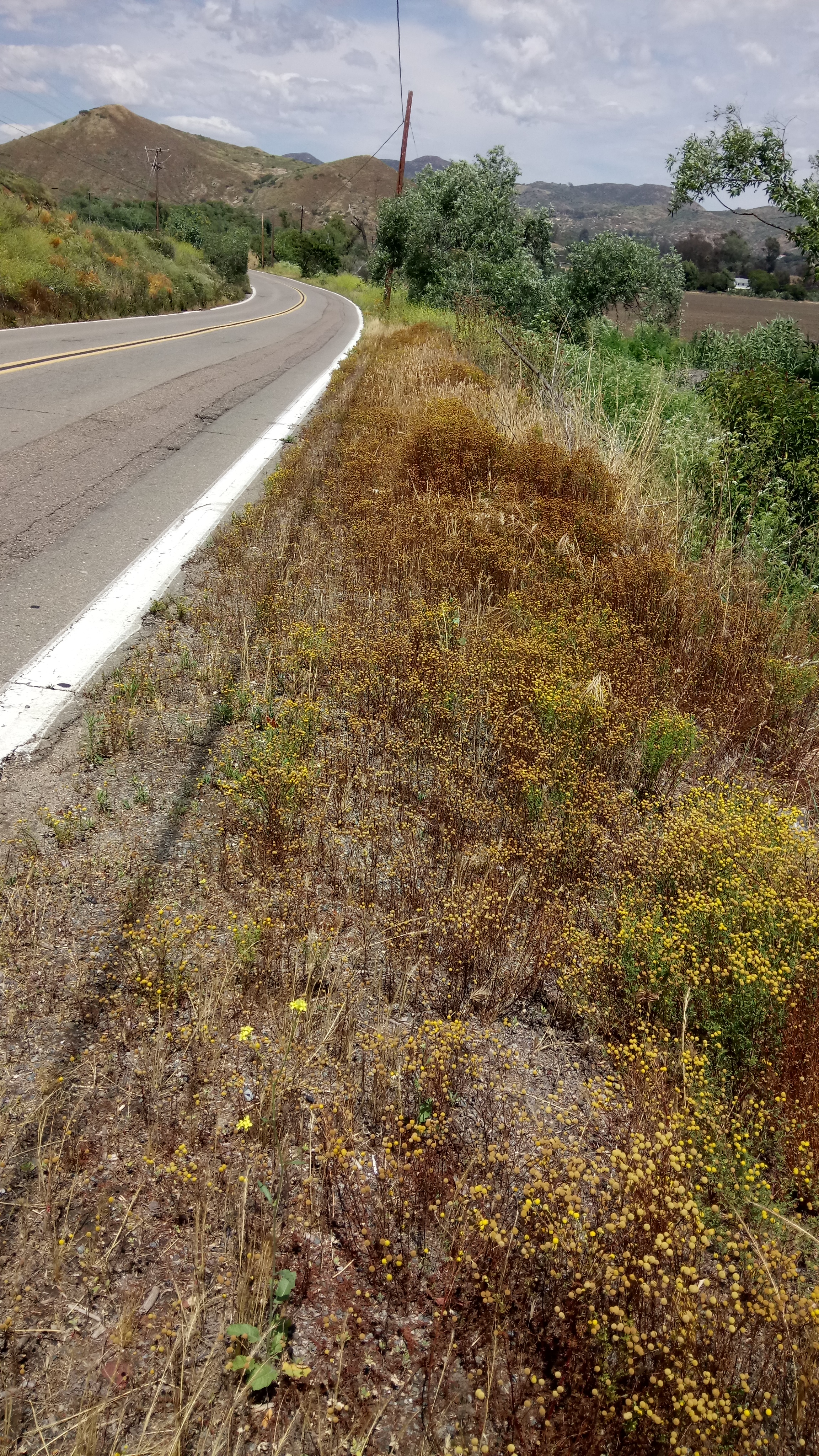
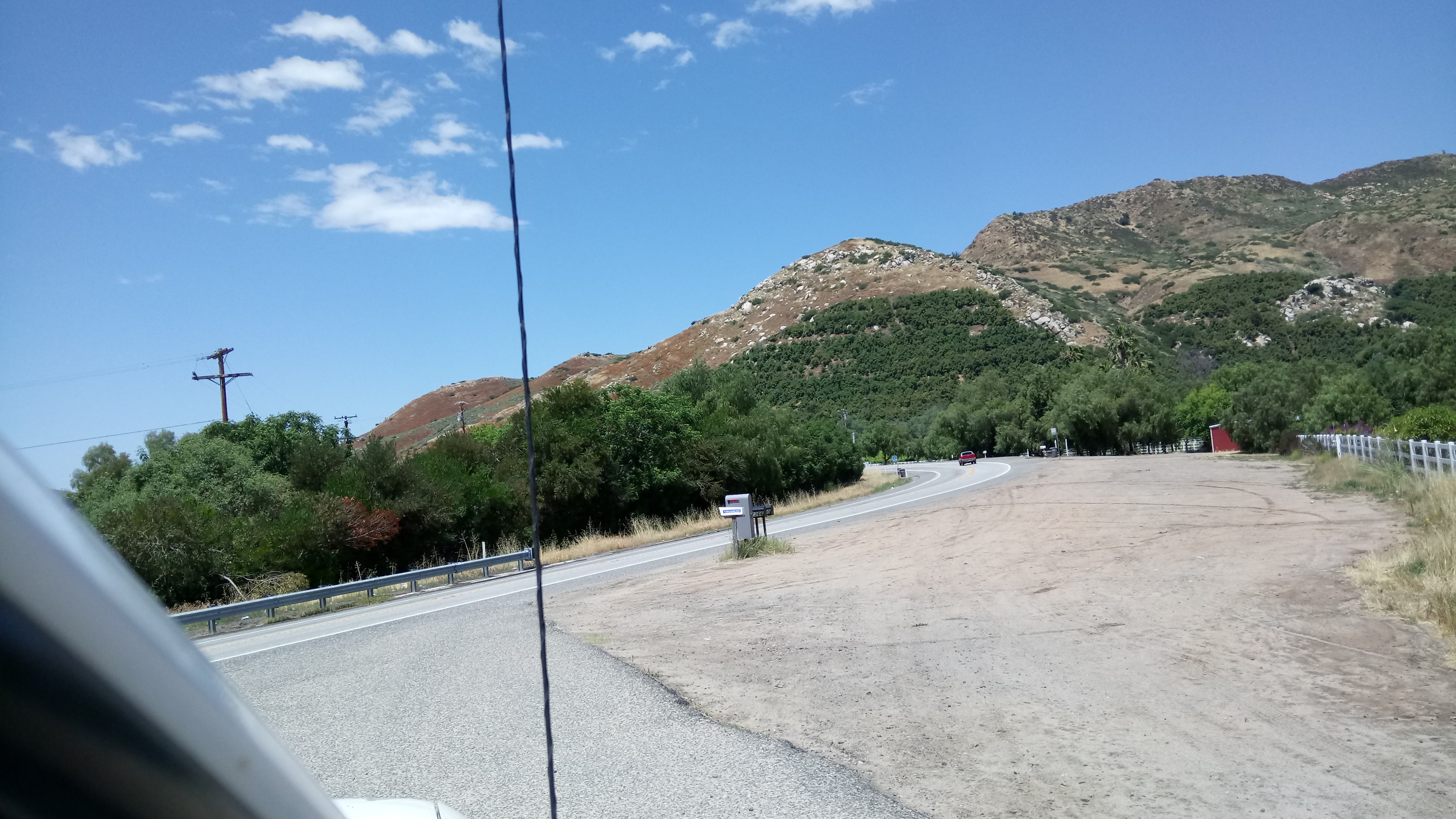
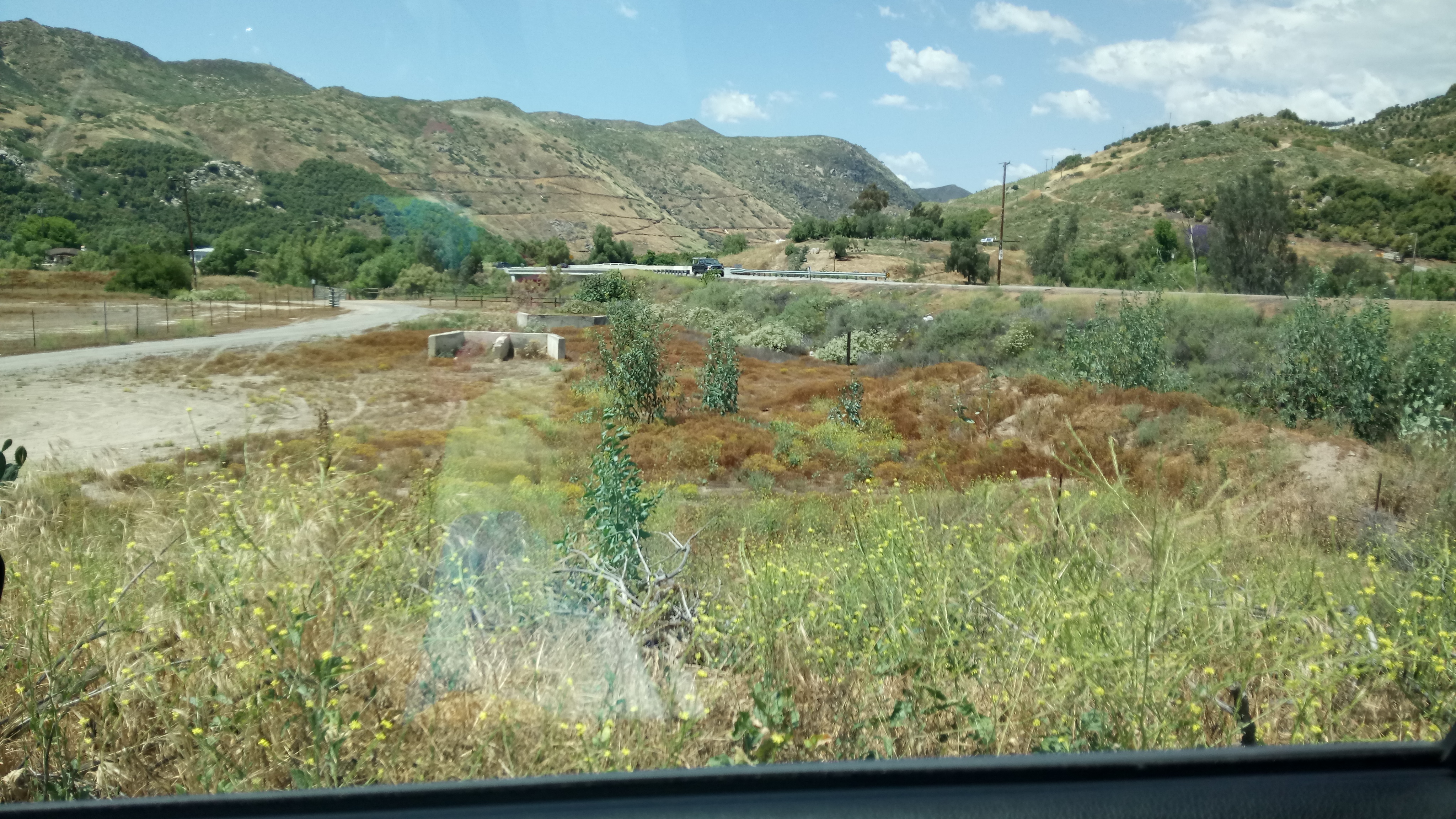
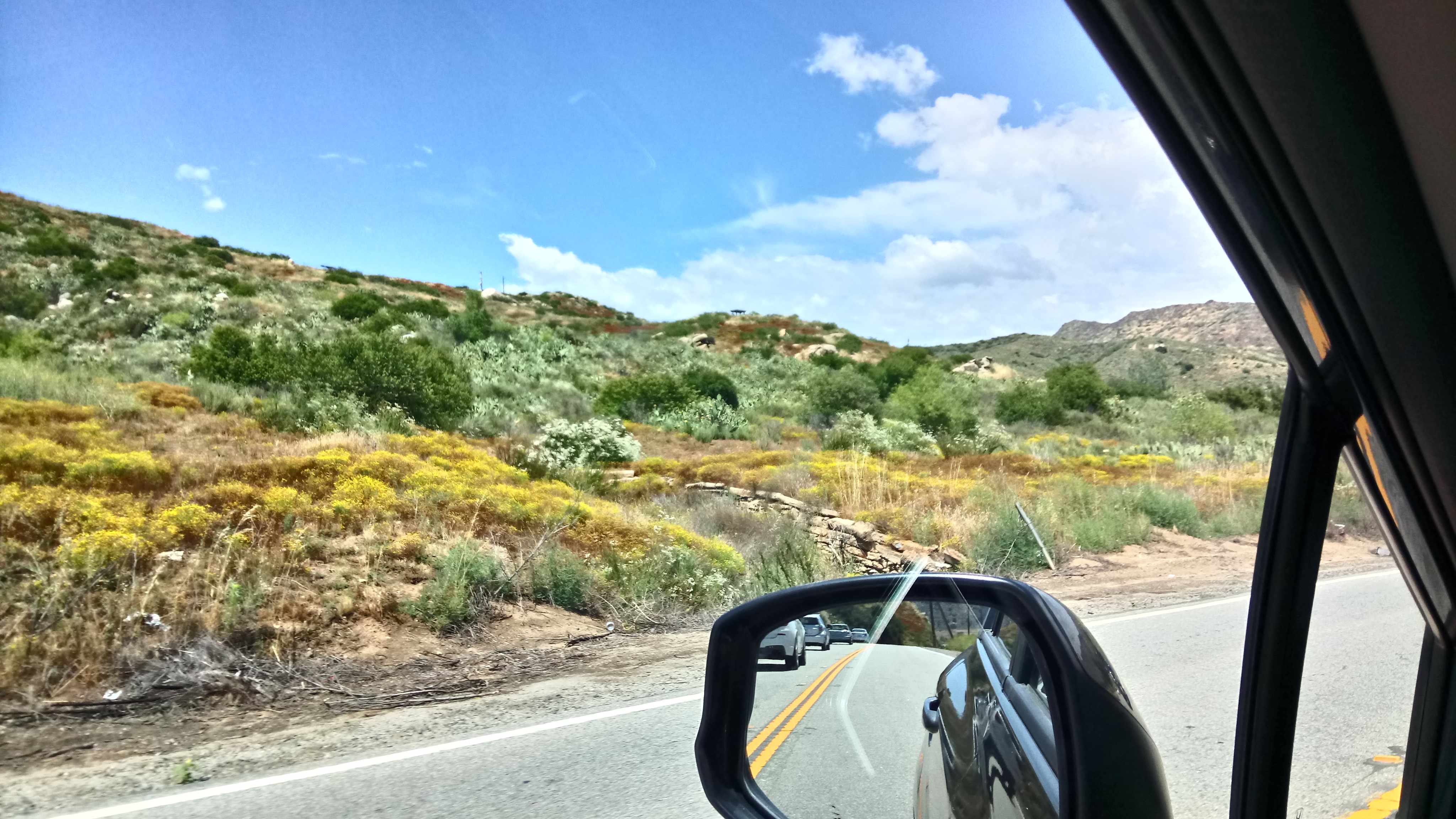
Project Focus
stinknet, stinknet
Emily Perkins; Annabelle Bernabe
San Diego Association of Governments
Kris Preston
San Diego Management and Monitoring Program
California Invasive Plant Council ; California State Parks; City of Chula Vista; City of San Diego, Open Space Division; City of San Diego, Public Utilities Department Watershed and Resource Protection Team; Conservation Biology Institute; County of San Diego; Del Dios Habitat Protection League ; District 11, Department of Transportation, State of California; Marine Corps Base Camp Pendleton; Nature Collective; RECON Environmental, Inc.; San Diego Zoo Institute for Conservation Research; San Dieguito River Park; San Dieguito River Valley Conservancy; UC Cooperative Extension ; University of California, Riverside
Sarah McCutcheon
Sarah McCutcheon
Sarah McCutcheon
Sarah McCutcheon
Project Protocol
Invasive plants
Goal: The overarching goals for addressing invasive plant species in the MSPA are to: (1) Protect Conserved Lands from new or expanding invasive plant species; (2) Detect new invasive species and new invasions early on and control them before the plants have a chance to establish; (3) Address invasive species using the response appropriate for the level of invasiveness (level 1 through 5) as defined in the Invasive Plant Strategic Plan (IPSP)
MGT-IMP-IPSP INVPLA-1
Management units: 1, 2, 3, 4, 5, 6, 7, 8, 9, 10, 11
From 2017-2021, continue implementing the IPSP by removing Levels 1, 2, and 3 invasive plant species before their distribution becomes too abundant to control.
| Criteria | Deadline year |
|---|---|
| Reduction in =50% of the IPSP Levels 1 and 2 Species by 2021 | 2021 |
| Threat Name | Threat Code |
|---|---|
| Invasive plants | INVPLA |